
Why 2026 is the Year of the Handmade: Reclaiming Tactile Joy in a Digital World
Table of Contents
-
The Digital Overload Crisis
-
The Numbers Don’t Lie: A Market in Full Bloom
-
Why Handmade? The Psychology Behind the Shift
-
What’s Selling in 2026?
-
How to Position Your Handmade Business for Success
-
SEO Best Practices for Handmade Sellers in 2026
-
Conclusion: The Future is Handmade
Introduction
After years of living life through screens, something beautiful is happening. People are craving tactile moments, real communities, and slower rituals. They’re choosing handwritten notes over DMs, film cameras over filtered selfies, and handcrafted goods over mass-produced commodities.
Welcome to 2026—the Year of the Handmade.
This isn’t nostalgia. It’s a response to digital fatigue. And for businesses selling handmade products, it represents the single greatest opportunity in a generation. Let’s explore why 2026 is the year tactile joy reclaims its throne—and how you can position your brand to ride this wave.
The Digital Overload Crisis
The statistics are staggering. Screens now dictate our lives—from the moment we wake to the string of notifications until we end the day watching “just one more episode”. Digital detox has moved from a wellness fad to mainstream behavior: people are intentionally building screen-free rituals to protect their attention and mental energy.
What began as a January resolution to curb phone usage has blossomed into a year-round movement. Online communities have declared 2026 the “Year of Analogue,” embracing slower living and tactile hobbies.
The “Analog 2026” movement is defined by:
-
Replacing digital habits with physical, hands-on experiences
-
Seeking offline connections and in-person communities
-
Choosing products that invite ritual, presence, and intentionality
This isn’t a retreat from progress—it’s a re-balance. And it’s reshaping consumer behavior across every category.
The Numbers Don’t Lie: A Market in Full Bloom
The handmade revolution isn’t just a cultural moment—it’s a financial powerhouse.
Arts and Crafts Market
The global arts and crafts market is projected to grow from $47.35 billion in 2025 to $50.7 billion in 2026, representing a CAGR of 7.1%. By 2030, it’s expected to reach $67.39 billion.
Handicrafts Market
The handicrafts market is even more explosive. With a CAGR of 14.1% from 2025 to 2030, the market is projected to increase by a staggering $977.96 billion**. By 2034, the global handicrafts market is expected to reach **$2.03 trillion.
What’s Driving This Growth?
-
Increasing consumer demand for unique, handmade products
-
Rising number of e-commerce platforms democratizing access to global audiences
-
Growing emphasis on sustainability and eco-conscious materials
-
Expansion of online craft marketplaces
-
Government funding and supportive initiatives promoting local craftsmanship
The message is clear: handmade isn’t a niche—it’s the mainstream.
Why Handmade? The Psychology Behind the Shift
1. The Emotional Connection
In a world of AI-generated content and mass production, consumers are starving for authenticity. Handmade products carry something machine-made items simply cannot replicate: a story, an emotion, and a human touch.
As one artisan put it: “The underlying narrative, the raw emotion, and the profound personal imprint intricately woven into each artisanal piece are what genuinely garner the most immense attention”.
Psychological studies have shown that people value objects more when they know the stories behind them and their makers, fostering attachment and breaking the pattern of impulsive discarding.
2. The Grandma Hobbies Revival
Once dismissed as quaint or impractical, so-called “grandma hobbies”—knitting, pottery, reading physical books—are quietly reclaiming cultural relevance. This revival isn’t driven by nostalgia alone, but by a counter-movement against burnout and doomscrolling.
From Hollywood to Bollywood, influential figures are embracing slow, tactile rituals as tools for mental health and intentional living. Whether it’s Pamela Anderson knitting or Alia Bhatt finding calm in clay, the message is clear: analogue pleasures are not outdated—they are essential.
3. The Slow Living Movement
The slow crafting movement is more than a trend—it reflects a fundamental re-evaluation of how we spend our time and what we value most. Rather than rushing through projects, crafters now embrace slower-paced, cozy crafts that reward patience with tangible results.
This return to craft feels less like a trend and more like a correction—a move back toward choosing fewer things, choosing better, and living more comfortably with what we have.
4. Gen Z Leading the Charge
Gen Z is logging off and turning to DIY crafts—crochet, journalism, tie-dye, and more. These are crafts that grandmothers practiced, that mothers abandoned in the rush of modern life, and that Gen Z is now reclaiming.
Handmade artisan-crafted products have become prized possessions of many youngsters. As founders of Hand Revolution explain: “Handmade products always have an emotional connection with customers—even in Gen Z”.
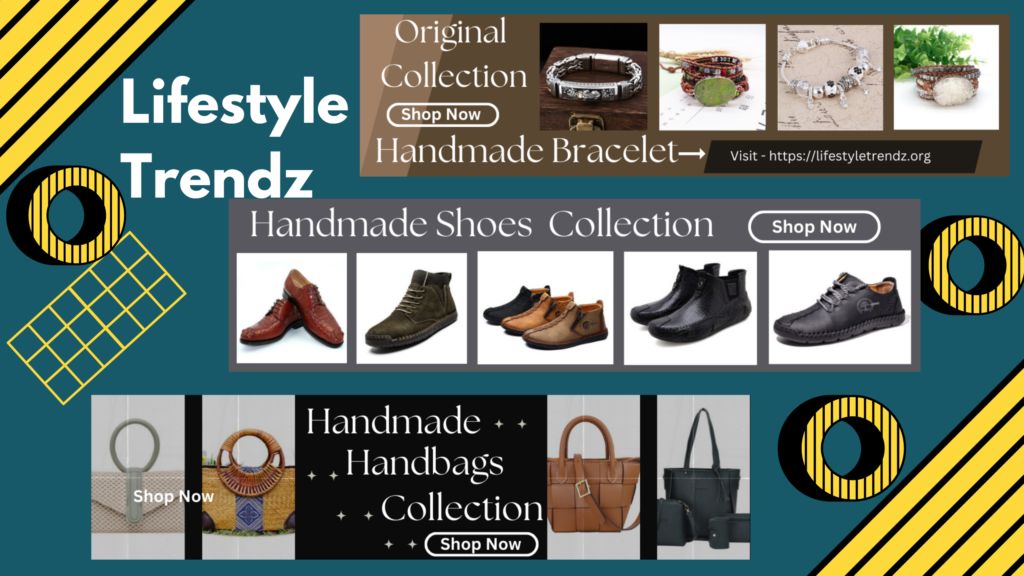
You see this offer: “buy this” or “visit our store“
What’s Selling in 2026?
Top Trending Handmade Categories
| Category | Trend Insight |
|---|---|
| Tufted Rugs and Mats | Gaining popularity for unique designs; some sell for hundreds of dollars |
| Woven Home Décor | Tapestries, wall hangings, and functional items in high demand |
| Macrame Wall Hangings | Bohemian aesthetic attracting buyers seeking unique accents |
| Vintage Up cycled Furniture | Transforming old pieces into functional art |
| Handmade Jewelry | Projected market growth to $36 billion by 2026 |
| Crochet and Knitting | Sales of crochet clothing up 36% |
| Handmade Ceramics | Produced in small studios using local materials |
You see this offer: “buy this” or “visit our store“
The “Folklectic” Trend
Interior design in 2026 is all about celebrating the handmade. The “Folklectic” trend—featuring quilts, painted floors, and framed needlework—is sparking a full-on folk revival at home. These handmade elements bring a grounding, tactile energy to our homes, reminding us that there is true luxury in uniqueness.
How to Position Your Handmade Business for Success

You see this offer: “buy this” or “visit our store“
Conclusion: The Future is Handmade
2026 marks a turning point. After years of digital dominance, people are reclaiming their humanity through tactile experiences, intentional living, and products made with care and skill.
The numbers are clear: The handicrafts market is projected to reach $2.03 trillion by 2034**. The arts and crafts market will grow to **$67.39 billion by 2030. Consumer demand for handmade products is surging.
The psychology is clear: People are craving authenticity, emotional connection, and products that tell a story. They’re choosing slower, more intentional ways of living and consuming.
The opportunity is clear: If you sell handmade products, 2026 is your year. Tell your story. Build your community. Optimize your online presence. And most importantly—share the joy of handmade with the world.
Because in a world of AI sameness, human touch isn’t just valuable. It’s priceless.